Aeterna Institute
Latin, Greek, and the Great Books.
Why read the old books now
Οἱ πεπαιδευμένοι τῶν ἀπαιδεύτων τοσοῦτον διαφέρουσιν ὅσον οἱ ζῶντες τῶν τεθνεώτων.The educated differ from the uneducated as much as the living from the dead.
Aristotle, in Diogenes Laërtius
Most of what we read now is written to be skimmed. The books Aeterna studies were written to be reread: Homer and Plato, Virgil and Augustine, read slowly and in the languages they were written in.
Latin and Greek come first, because every translation makes choices a reader cannot see. The seminar comes next, where we ask what a text claims and whether it holds up.
Aeterna Institute is a non-profit based in Austin, Texas. It publishes research, builds tools for readers of Latin and Greek, and is preparing a course of study around these texts.
Septem artes liberales: the seven liberal arts
The seven liberal arts
The arts worthy of a free person, and the arts that make one.
- Grammatica (Grammar): Clear words make clear thought. Say what you mean, and read what was meant.
- Dialectica (Logic): Know when a conclusion follows, and when you only wish it did.
- Rhetorica (Rhetoric): Make what is true clear enough that others can judge it for themselves.
- Arithmetica (Arithmetic): Number keeps accounts honest, and shows that some truths hold for everyone.
- Musica (Music): In harmony you hear number, and learn that order can be beautiful.
- Geometria (Geometry): A proof shows the difference between knowing a thing and only believing it.
- Astronomia (Astronomy): The sky gave us the calendar, and a sense of our place in the whole.
ΕΥΔΑΙΜΟΝΙΑ
Ἀγεωμέτρητος μηδεὶς εἰσίτω
Let no one ignorant of geometry enter.
Said to stand over the door of Plato’s Academy
The dialectic
Socrates taught by asking questions. Someone offers a definition, the group tests it against cases, and the definition either holds or is revised.
The seminars Aeterna is preparing follow the same pattern. The goal is a better account of the question than the one we started with, reached together.
Nanos gigantum humeris insidentes.We are dwarfs sitting on the shoulders of giants.
Bernard of Chartres
Reading is better in company. Aeterna brings readers, teachers, and researchers together around the same texts, and publishes what comes of it.
Back to the sources
The Renaissance humanists had a phrase for it: ad fontes. They went back to Cicero and to the Greek of the New Testament, and came away with questions their teachers had stopped asking. The method still works.
Τῆς παιδείας τὴν μὲν ῥίζαν εἶναι πικράν, τὸν δὲ καρπὸν γλυκύν.The roots of education are bitter, but the fruit is sweet.
Aristotle
Learning a language well takes years. Reading Plato carefully takes longer. Aeterna is for people willing to spend that time.
Non scholae sed vitae discimus.Fellows
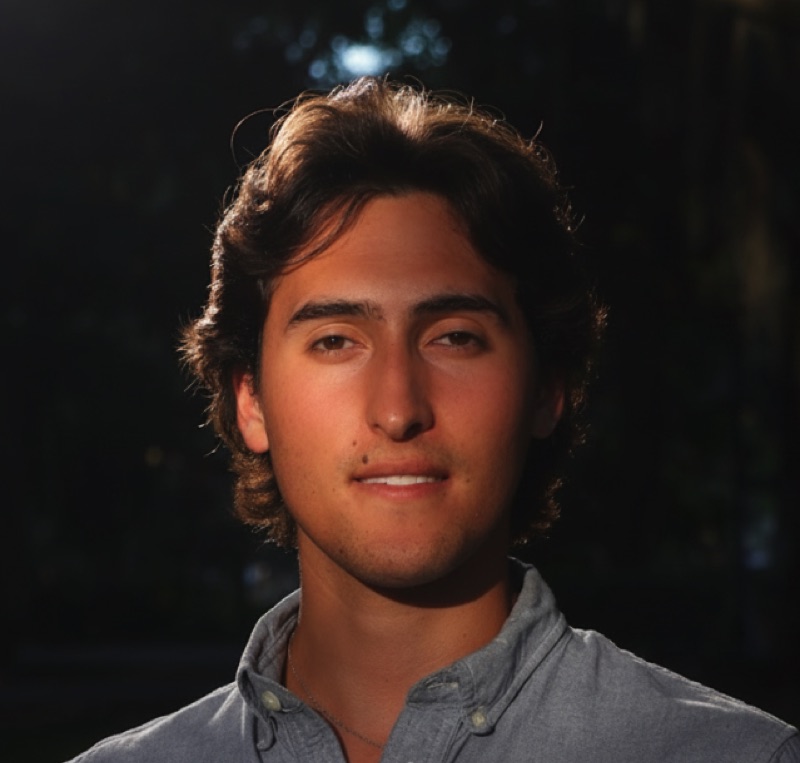
The people teaching, writing, and building at Aeterna.


Admissions
Read with us
Cohort dates, format, and fees are not set yet. Tell us what you want to read, and we will write back with what we know so far.